

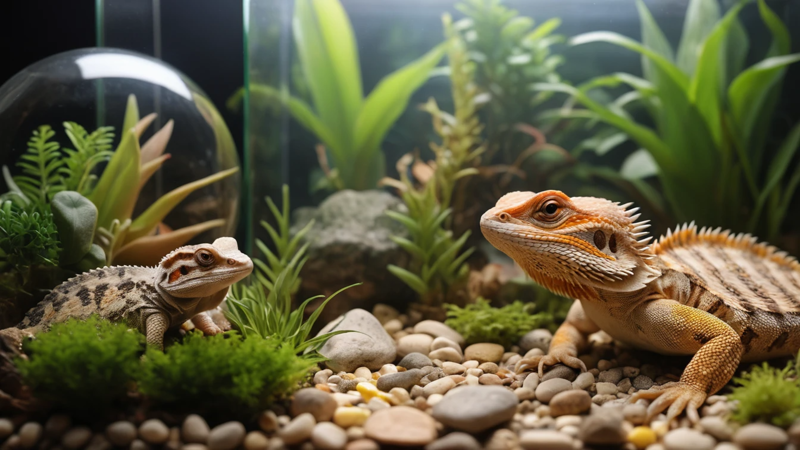
Reptile pets are unique, low-noise companions. Learn types, care tips, costs, and beginner advice to choose the right reptile pet.
Reptile pets are cold-blooded animals kept in controlled habitats. They include lizards, snakes, turtles, and tortoises. Many are quiet, low-allergy, and space-efficient pets. With proper care, they can live long, healthy lives and form calm routines with owners.
Have you ever wondered why more people are choosing reptile pets instead of cats or dogs? 🦎
The answer is simple. Reptiles are fascinating, quiet, and surprisingly easy to care for when set up correctly. They fit modern lifestyles and smaller homes. Let’s break it all down in a clear, friendly way.
Reptile Pets: A Complete Beginner-Friendly Guide 🐍
What Reptile Pets Really Are 🧠
Reptile pets are cold-blooded animals that rely on external heat. They include lizards, snakes, turtles, and tortoises. These pets live in terrariums that mimic natural habitats. Unlike mammals, reptiles do not seek constant attention.
Many owners love reptiles for their calm presence. They are quiet and predictable. Some reptiles enjoy gentle handling. Others prefer observation only, which is perfectly normal.
Reptiles are not “low-effort” pets. But they are low-drama pets. When their needs are met, they thrive.
Why Reptile Pets Are So Popular Today 📈
Reptile ownership has grown fast in the U.S. People want pets that fit busy lives. Reptiles don’t need daily walks or loud playtime. That makes them appealing.
They are also great for apartments. Many setups fit on desks or shelves. Allergies are rarely an issue with reptiles.
Another big reason is education. Kids and adults learn responsibility through habitat care. Watching reptiles eat, shed, and bask feels rewarding.
Best Reptile Pets For Beginners 🐢
Not all reptiles are beginner-friendly. Some need advanced care. Beginners should start simple.
Great starter reptile pets include:
- Leopard geckos
- Bearded dragons
- Corn snakes
- Crested geckos
- Russian tortoises
These reptiles tolerate handling well. Their care routines are predictable. They also have clear feeding schedules.
Starting with the right species prevents stress. It also reduces costly mistakes early on.
Reptile Pets That Love Handling 🤲
Some reptiles tolerate handling better than others. This matters if you want interaction. Gentle species stay calm when handled correctly.
Popular handling-friendly reptiles:
- Bearded dragons
- Corn snakes
- Blue-tongue skinks
Handling should always be slow and confident. Never grab from above. Support the full body to build trust.
Short sessions work best. Overhandling causes stress, even in calm reptiles.
Understanding Reptile Behavior 🧩
Reptiles communicate through body language. They don’t wag tails or purr. You must learn subtle signs.
Common behaviors include:
- Basking under heat lamps ☀️
- Hiding when stressed
- Tongue flicking in snakes
A relaxed reptile moves slowly. Rapid movement often means fear. Learning these cues helps you adjust care.
Observation builds a strong owner-pet connection over time.
Reptile Housing Basics Explained 🏠
Every reptile needs a proper enclosure. This is not optional. Habitat quality directly affects health.
Key enclosure elements:
- Correct tank size
- Heat gradient
- UVB lighting
- Hiding spots
Reptiles need warm and cool zones. This helps digestion and immune function. Without proper heat, reptiles get sick.
A good setup is more important than the reptile itself.
Common Enclosure Needs By Reptile Type
| Reptile Type | Tank Size | Heat Source | UVB Needed |
| Bearded Dragon | 40–75 gal | Basking bulb | Yes |
| Leopard Gecko | 20 gal | Heat mat | Optional |
| Corn Snake | 30–40 gal | Heat lamp | No |
| Tortoise | Open pen | Heat lamp | Yes |
Feeding Reptile Pets The Right Way 🍽️
Reptile diets vary widely. Some eat insects. Others eat plants or rodents. Feeding mistakes are common beginner errors.
Insect-eating reptiles need:
- Gut-loaded insects
- Calcium supplements
- Proper feeding schedules
Herbivores need leafy greens and vegetables. Variety is key. Avoid iceberg lettuce.
Feeding time also builds routine. Reptiles feel secure with consistency.
How Often Do Reptile Pets Eat? ⏰
Feeding frequency depends on age and species. Young reptiles eat more often. Adults eat less.
General feeding guidelines:
- Hatchlings: daily
- Juveniles: every other day
- Adults: 2–4 times weekly
Overfeeding causes obesity. Underfeeding causes weakness. Balance matters.
Always remove uneaten food to keep enclosures clean.
Reptile Health And Lifespan 🩺
Reptiles often live longer than dogs or cats. Some tortoises live over 50 years. This is a long-term commitment.
Healthy reptiles show:
- Clear eyes
- Smooth shedding
- Regular appetite
Warning signs include lethargy and weight loss. Exotic vets specialize in reptiles. Regular checkups matter.
A healthy setup prevents most health issues.
Costs Of Owning Reptile Pets 💵
Reptiles are not “cheap pets.” Setup costs come first. Long-term costs are manageable.
Typical cost breakdown:
- Initial setup: $200–$600
- Monthly food: $10–$40
- Vet visits: occasional
Electricity for heat lamps adds cost. Quality equipment saves money long-term.
Budgeting early avoids surprises later.
Estimated Monthly Care Costs
| Expense Type | Average Cost |
| Food | $20 |
| Supplements | $5 |
| Electricity | $10 |
| Bedding | $5–$15 |
Reptile Pets And Kids 👨👩👧
Reptiles can be great family pets. Adult supervision is required. Kids should learn respect and patience.
Good reptiles for families:
- Bearded dragons
- Leopard geckos
- Tortoises
Teach kids to wash hands after handling. This prevents bacteria spread. Keep routines simple.
Reptiles teach responsibility without chaos. That’s a win.
Are Reptile Pets Safe? ⚠️
Reptiles are safe when handled correctly. Like all animals, hygiene matters.
Safety tips:
- Wash hands after contact
- Clean enclosures regularly
- Avoid kissing reptiles
Salmonella risk exists but is manageable. Responsible care eliminates most issues.
Education is the best safety tool.
Legal Rules Around Reptile Pets 📜
Some reptiles are restricted by state laws. Always check local regulations.
Common restrictions include:
- Large constrictor snakes
- Native wildlife species
- Endangered reptiles
Buying from reputable breeders ensures legality. Avoid wild-caught animals.
Legal pets are safer and healthier.
Ethical Reptile Ownership 🧡
Ethics matter in reptile keeping. Avoid impulse buying. Research first.
Ethical ownership means:
- Proper habitat
- Correct diet
- Long-term commitment
Never release reptiles into the wild. This harms ecosystems. Responsible ownership protects animals and nature.
Reptiles deserve respect, not novelty.
Common Beginner Mistakes To Avoid 🚫
Mistakes happen. Knowing them early helps.
Avoid these common errors:
- Wrong tank size
- No UVB lighting
- Poor temperature control
- Overhandling
Learning never stops. Even experienced keepers adjust setups. Mistakes don’t mean failure.
They mean growth.
How To Choose The Right Reptile Pet 🧭
Choosing the right reptile depends on lifestyle. Ask yourself honest questions.
Consider:
- Available space
- Time for care
- Budget
- Handling preference
Start small. Gain confidence. Upgrade later if desired.
The right match creates a stress-free experience for both of you.
Beginner-Friendly Reptile Comparison
| Reptile | Care Level | Handling | Lifespan |
| Leopard Gecko | Easy | Moderate | 15–20 yrs |
| Bearded Dragon | Medium | High | 10–15 yrs |
| Corn Snake | Easy | High | 15–20 yrs |
| Tortoise | Medium | Low | 40+ yrs |
The Future Of Reptile Pets 🌱
Reptile keeping continues to evolve. Better lighting and nutrition improve care standards. Education is more accessible than ever.
Online communities support new owners. Ethical breeding is growing. This benefits reptiles and keepers alike.
Reptile pets are no longer niche. They are mainstream companions.
And they’re here to stay.
Conclusion
Reptile pets are calm, fascinating, and deeply rewarding companions. They suit modern lifestyles and smaller spaces. With proper setup, feeding, and care, reptiles live long and healthy lives. Choosing the right species and learning their needs makes all the difference. Responsible ownership turns curiosity into confidence.
FAQs
Are reptile pets good for apartments?
Yes, many reptile pets thrive in small spaces. Their enclosures fit easily in apartments. Noise is never an issue.
What is the easiest reptile pet to care for?
Leopard geckos are among the easiest. They need simple setups and have gentle temperaments. Beginners love them.
Do reptile pets recognize their owners?
Reptiles recognize routines more than people. They respond to feeding schedules and handling patterns. Trust builds over time.
How long do reptile pets usually live?
Lifespans vary by species. Some live 10 years, others over 50. Always research before committing.
Do reptile pets smell bad?
No, clean enclosures don’t smell. Odors come from poor maintenance. Regular cleaning keeps habitats fresh.

Leave a Reply