

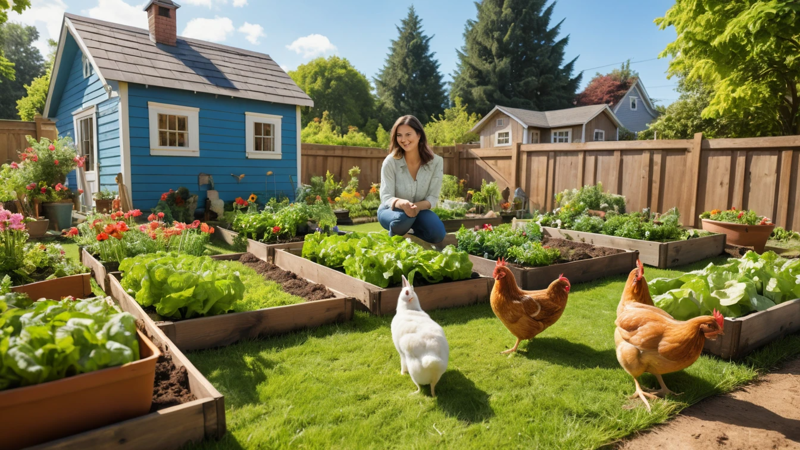
Best pets in grow a garden can boost soil health, control pests and bring joy to your backyard—discover the top choices and tips!
The best pets in a garden setting are ones that both enjoy the outdoor space and actively help the garden—think chickens for pest-control, rabbits for nutrient-rich manure, and bees for pollination. With proper care and setup they boost productivity and add delight.
Best Pets In Grow A Garden 🐓🐇🐝
Ever wondered how to bring pets into your garden without them trampling your veggies or turning flower beds into fiascos? Here’s the simple truth: when you pick the right garden-friendly pets and create smart zones, you’ll end up with helpful companions, not headaches.
Here’s the direct answer: Choose pets that contribute to the ecosystem of your garden—ones that feed back into soil health, pest control or pollination and can live harmoniously with plants.
Now let’s dive into which pets are great, why they’re great, and how to make it all work for your U.S. backyard.
Why Having Pets In Your Garden Is A Smart Idea 🌿
Having pets in the garden is more than just cute. Thinking of it as co-gardening is huge because:
- They naturally help with pest control, turning bugs into meals.
- They boost soil fertility via manure or movement through the soil.
- They add life, sound and joy—making your garden a living space, not just plants.
When you view pets as garden helpers, you build toward a win-win: garden thrives + pets thrive.
Key Criteria For Choosing Garden-Friendly Pets ✅
Before you jump in, check these criteria:
- Space & Zoning: Can the pet roam safely or does it need a coop/pen?
- Contribution: Will the pet help the garden (fertilizer, pest control, pollination) or just take up space?
- Plant Compatibility: Will the pet disturb plants, dig up beds, or nibble veggies you want to keep?
- Care Level: Are you ready for daily feeding, cleaning, fencing, etc.?
- Local Regulations: Check city or HOA rules about chickens, ducks or other animals.
If you cover these areas, you’ll fine-tune the “best pets in grow a garden” scenario.
Chicken Companions For Your Garden 🐔
Chickens are probably the top go-to garden pet. Here’s why they rock:
- They eat insect pests, grubs and slugs, helping reduce chemical use.
- Their manure is rich in nitrogen and compost gold—but it does need care (composting first is wise).
- They give you fresh eggs (bonus!).
Things to watch:
- Chickens will scratch soil and could uproot delicate plants — keep them set apart.
- You need a safe coop/run to protect them from predators.
- Manure needs proper handling; too fresh and too strong can harm seedlings.
Quick table
| Pet | Garden Benefit | Consideration |
| Chickens | Pest control + manure | Need coop, space to roam safely |
| Rabbits | Cold manure, small space | Can nibble plants, need hutch/run |
| Bees | Pollination, honey | Need hive management, caution for stings |
Rabbits – Quiet Garden Helpers 🐇
Rabbits can be surprising helpers in a garden.
- Their droppings are “cold” manure (safe to use fresh in many cases).
- They help aerate lightly, nibble weeds in some controlled ways.
- They’re generally quieter, lower disturbance.
But:
- They will nibble plants you want to keep, so you’ll likely need to contain them in a run.
- Require hutch/shelter and daily care.
- Check local codes (some areas restrict rabbits outdoors).
Ducks & Geese – Water-Friendly Garden Pets 🦆
If you’ve got a bigger plot or pond, ducks or geese can be super fun.
- Ducks will eat slugs, snails and many pests near water or damp zones.
- Geese can graze weeds and help with lawn/groundcover in big yards.
- Their droppings boost soil as well.
Watch out:
- They need water access (even a shallow pool), messy bit around water.
- Bigger footprints—need more space and stronger fencing.
- Can be noisy; not always suited for close urban lots.
Bees & Pollinators – Tiny But Mighty 🐝
You don’t always think of pets when you think bees, but if you can keep a hive, the payoff is huge:
- They massively improve pollination of fruiting plants and veggies.
- You may even get honey.
- Low‐footprint in terms of space compared to livestock.
Cautions:
- Requires knowledge of beekeeping, local regulations.
- Hive must be placed where stings are reasonably managed (away from kids/play areas).
- Neighbors may have concerns—communication is key.
Worms & Compost Crew – Garden Workhorses 🪱
Not flashy like chickens, but worms are very garden-friendly pets.
- They convert kitchen scraps into rich compost, boosting soil health.
- They need very little space and can live under a compost bin or in a small run.
- They don’t disturb plants, they help.
Tip: Even if you don’t call them “pets”, treating them as part of your garden team makes a big difference.
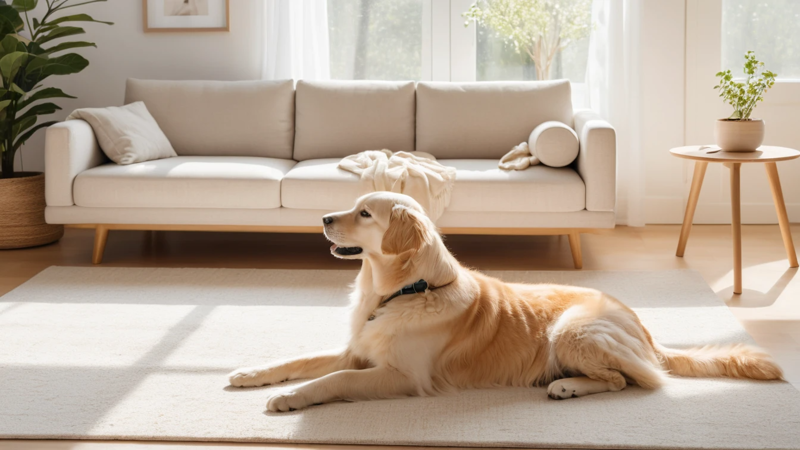
Dogs & Cats – Garden Buddies (With Boundaries) 🐕🐈
While dogs and cats aren’t “working pets” in the garden sense, they still fit:
- Dogs can deter wild rabbits or rodents that might munch your crops.
- Cats may keep small pests in check (though wandering is a risk).
- They bring life, companionship to the garden space.
Just ensure:
- They’re kept from digging up beds or messing with plants.
- Their waste is cleaned; some fertilizers/chemicals may harm them.
- Plant choices are pet-safe (some plants are toxic).
Setting Up Zones: Pets + Plants Harmony 🧱
To make your garden pets truly helpful, zone your space:
- Plant Zone: Raised beds, delicate crops where pets are excluded.
- Pet Zone: Coop/run/hutch area near but not inside your prime beds.
- Compost/Manure Zone: Where you collect manure, feed scraps, build compost.
- Transition Buffer: Visual/fencing buffer between pets & delicate plants.
By structuring like this you reduce conflicts: pets don’t trample or eat your veggies; plants don’t get messed up.
Feeding & Manure Management – Garden Gold 💩
Pets bring manure, yes—but it must be handled.
- Chicken & duck manure: High nitrogen; compost before heavy use or apply sparingly on new beds.
- Rabbit manure: Often safe to apply directly (“cold”), as many gardeners report.
- Compost mix: Mix pet manure with yard waste, leaves, shredded paper—balance carbon/nitrogen.
- Feeding: Use kitchen scraps, garden weeds (if safe), hay (for rabbits) to keep waste lower.
Properly managed, you’ll turn pets + garden into a closed loop system.
Pest Control & Soil Health – Benefits Breakdown 🌱
Let’s look at what your garden gets from the right pet mix:
Benefits
- Natural pest reduction (insects, grubs, slugs)
- Improved soil structure and fertility
- Better pollination (if bees or certain birds included)
- Increased wildlife diversity (which often benefits plants)
- New levels of enjoyment—garden becomes lively and dynamic
Quick list
- Chickens eat slugs & till soil
- Rabbits deposit manure with nutrients
- Ducks/Geese graze weeds & bugs
- Bees pollinate for higher yields
- Worms break down organic matter
Common Challenges & How to Solve Them 🛠️
Every system has ups and downs. Here’s how to navigate them.
- Plants being eaten: Use fencing/containment; choose hardy plants near runs.
- Manure overload: Compost correctly, rotate beds.
- Predators / pests: Secure runs, use mesh, keep coops locked at night.
- Local regulations: Check city/HOA rules before, especially for chickens, ducks.
- Noise or smell: Choose smaller flock size, clean often, place runs away from neighbours.
With these addressed, you’ll stay ahead of the problems.
Space & Budget Considerations 💡
How much space do you need, and what will it cost? Rough guide:
- Chickens: A small coop for 2-4 hens could fit a backyard; budget for coop, run, feed.
- Rabbits: A hutch + run in a corner; smaller scale.
- Ducks/Geese: Bigger space and water access.
- Bees: Smaller footprint but need hive kit + gear + training.
- Worms: Very low cost; can be set up practically anywhere.
Choose based on your yard size, budget and how much time you want to invest.
Safety & Plant Compatibility – Pet-Safe Gardens 🌼
When you mix pets and plants, you must ensure safety:
- Some plants are toxic to pets—avoid them or fence them off.
- Avoid pesticides/herbicides that could harm your animals.
- Provide clean water and shelter for all pets.
- Monitor pets for signs of stress or illness—healthy pets = healthy garden.
5 Top Pet Picks And Why They Work For Gardeners
Let’s rank five top choices and their main pluses:
| Rank | Pet | Why It Works |
| 1 | Chickens | Eggs, pest control, manure |
| 2 | Rabbits | Cold manure, quiet, easy care |
| 3 | Ducks | Bug control, egg production |
| 4 | Bees | Pollination & honey |
| 5 | Worms | Compost creation, low maintenance |
Pick 1-2 that suit your space and goals, then build from there.
Starting Out: A Step-By-Step Implementation Plan ✔️
Here’s a simple 5-step plan to get pets in your garden right:
- Choose your pet(s) based on space, budget, time.
- Check local laws/regulations.
- Build or buy secure coop/hutch/run for the chosen pet.
- Design garden zones so plants are safe and pets are happy.
- Integrate manure and feeding routines into your garden care plan.
If you follow this, you’ll be on track to a harmonious garden-and-pets setup.
Measuring Success: What To Look For 🕵️♂️
How do you know your garden-pets plan is working?
- Plants look healthier, more vibrant.
- Fewer pests/bugs in your beds.
- Soil structure improves (easier to dig, holds moisture better).
- Pets are healthy, active, and interacting well with garden space.
- You’re enjoying the process more—that counts.
Metric to watch: yield, plant vigor, pet health and your own enjoyment.
When Not To Combine Pets & Garden
There are situations where mixing pets and garden isn’t ideal:
- Very small urban yard with no zoning space.
- You travel often and can’t care for pets daily.
- Local regulations strictly forbid any livestock/poultry.
- You’re growing highly delicate plants that pets may inevitably disturb.
In those cases, you may stick with just worms, bees or keep pets separate from main veggie beds.
Final Thoughts: Best Pets In Grow A Garden = Win-Win
Bringing pets into your garden is not about extra work—it’s about smarter work. Choose animals that contribute, set up the space right, and you’ll see your garden flourish and your pets thrive.
Whether you pick chickens, rabbits, ducks, bees or worms, the key is harmony: garden supports pets; pets support garden. When done well, your backyard becomes a living ecosystem full of life, growth and satisfaction.
FAQs
What are the best small pets for a garden setup?
Small pets like rabbits, guinea pigs or worms work well in gardens. They require less space and still deliver benefits like manure or soil improvement.
Can backyard chickens really help a vegetable garden succeed?
Yes—they help control insect pests and their droppings add valuable nutrients when managed properly. Just ensure they don’t scratch the beds you rely on.
How many ducks or geese can I keep in a backyard garden?
That depends on your space, water access and local rules. Ducks need pond or pool access and more room than small birds.
How do I ensure plants are safe near my garden pets?
Choose pet-safe plants, avoid toxic species, keep harmful chemicals out, fence delicate beds, and monitor pet interactions.
Is beekeeping worth it for a standard backyard garden?
If you have room, time and can handle the hive skills, bees are very worth it—they massively boost pollination and can even give you honey!

Leave a Reply