

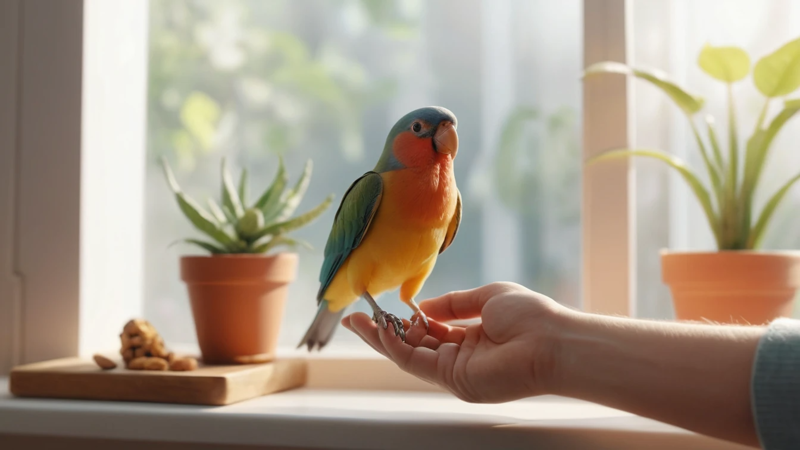
Easiest birds to train at home with simple tips, beginner-friendly species, and proven tricks for fast bonding and learning.
The easiest birds to train at home include budgies, cockatiels, lovebirds, and small parrots. These birds are smart, social, and respond well to positive reinforcement. With daily interaction, simple commands, and treats, beginners can quickly teach them tricks, bonding behaviors, and basic communication.
Easiest Birds To Train At Home 🐦✨
Looking for a pet bird that actually listens and learns fast? You’re not alone. Many people want a bird that’s fun, interactive, and easy to train.
The easiest birds to train at home are budgies, cockatiels, lovebirds, and parrots like conures. These birds are social, intelligent, and respond well to simple training methods like rewards and repetition.
Why Some Birds Are Easier To Train Than Others 🧠🐤
Not all birds are the same. Some love human interaction, while others stay shy and distant. The easiest birds to train are naturally curious and social.
These birds enjoy attention. They like mimicking sounds and learning tricks. That makes training feel like playtime. When a bird enjoys learning, progress becomes faster and smoother.
Another key factor is intelligence. Birds like parrots and budgies have strong memory. They can connect actions with rewards. This helps them understand commands quickly. That’s why choosing the right bird matters so much.
Top Traits Of Easy-To-Train Birds 🪶💡
Before picking a bird, you should know what traits make training easier. Some birds are just naturally better learners.
Look for these traits:
- Social behavior – enjoys human interaction
- High intelligence – quick to understand patterns
- Curiosity – explores new things without fear
- Playfulness – sees training as fun
- Vocal ability – helps with command learning
Birds with these traits are easier to bond with. They also respond better to positive reinforcement.
Budgies: The Best Beginner Bird 🐦💙
Budgies, also called parakeets, are one of the easiest birds to train. They are small, friendly, and very smart.
They quickly learn simple tricks like stepping onto your finger. With patience, they can even mimic words. Their small size makes them less intimidating for beginners.
Training a budgie is simple. Use treats like millet and repeat commands daily. They respond well to consistency. In just a few weeks, you’ll see great progress.
Cockatiels: Friendly And Gentle Learners 🎶🪶
Cockatiels are calm and affectionate birds. They bond strongly with their owners, which makes training easier.
They are excellent at learning whistles and tunes. Many cockatiels enjoy interactive training sessions. Their gentle nature makes them ideal for families.
Training them requires patience and positive rewards. Speak softly and repeat commands. Over time, they will trust you and respond better.
🐤 Comparison Of Easy-To-Train Birds
| Bird Type | Training Ease | Talking Ability | Temperament |
| Budgies | Very Easy | Moderate | Friendly |
| Cockatiels | Easy | Low | Gentle |
| Lovebirds | Moderate | Low | Playful |
| Conures | Easy | Moderate | Energetic |
Lovebirds: Small But Smart 💕🐦
Lovebirds may be tiny, but they are full of personality. They are playful and curious, which helps in training.
They respond well to bonding. Once they trust you, they become easier to train. However, they need more patience than budgies.
Training should be short and fun. Use toys and treats to keep them engaged. Consistency is the key to success.
Conures: Energetic And Trainable 🔥🦜
Conures are known for their playful nature. They love attention and enjoy learning tricks.
These birds can learn commands like “step up” and even simple games. Their energy makes training sessions lively and fun.
However, they can be noisy. So, patience and consistency are important. Keep sessions short to match their attention span.
How To Start Training Your Bird At Home 🏠✨
Training a bird may seem tricky at first. But with the right approach, it becomes easy and fun.
Start with basic steps:
- Build trust first – Spend time near your bird
- Use simple commands – Keep words short
- Reward good behavior – Use treats immediately
- Repeat daily – Consistency is key
- Keep sessions short – 10–15 minutes works best
Training is not about force. It’s about building a bond. Once trust is there, everything becomes easier.
Best Training Techniques That Actually Work 🎯🐦
There are proven methods that work well for birds. These methods make training faster and stress-free.
- Positive reinforcement – Reward good behavior instantly
- Clicker training – Use sound cues to mark actions
- Target training – Guide your bird using a stick
- Step-up training – Teach them to perch on your hand
These techniques are simple. Even beginners can use them effectively.
🧠 Training Time And Progress Guide
| Training Level | Time Needed | What To Expect |
| Beginner | 1–2 weeks | Basic trust |
| Intermediate | 2–4 weeks | Simple tricks |
| Advanced | 1–2 months | Complex actions |
Common Mistakes To Avoid ❌🐤
Many beginners make simple mistakes that slow down training. Avoiding these can save you time.
- Training too long in one session
- Using punishment instead of rewards
- Being inconsistent with commands
- Ignoring your bird’s mood
Birds learn best in a positive environment. Keep things light and fun.
How Long Does It Take To Train A Bird? ⏳🐦
Training time depends on the bird and your consistency. Some birds learn quickly, while others take time.
Budgies may learn basic tricks in a week. Cockatiels may take longer but show steady progress. Lovebirds and conures vary based on bonding.
The key is patience. Training is a journey, not a race.
Best Diet To Support Training 🥗🐤
A healthy bird learns better. Nutrition plays a big role in training success.
Feed your bird:
- Fresh fruits and vegetables
- Seeds and pellets
- Occasional treats for rewards
Avoid overfeeding treats. Use them only during training sessions. This keeps your bird motivated.
Creating A Training-Friendly Environment 🏡✨
Your bird’s environment affects learning. A calm space helps them focus better.
Keep these in mind:
- Choose a quiet area
- Remove distractions
- Use proper lighting
- Keep training tools nearby
A safe and comfortable space boosts confidence. That leads to faster learning.
🏡 Ideal Setup For Training
| Setup Element | Why It Matters |
| Quiet Room | Reduces stress |
| Perch Stand | Provides stability |
| Training Stick | Guides movement |
| Treat Bowl | Quick rewards |
Signs Your Bird Is Learning Well 📈🐦
How do you know your bird is improving? Watch for these signs:
- Responds to commands quickly
- Shows excitement during training
- Repeats learned behaviors
- Seeks your attention
These signs mean your training is working. Keep going!
Can Older Birds Be Trained? 🤔🪶
Yes, older birds can be trained too. It just takes more patience.
They may take longer to trust you. But once they do, they can learn just like younger birds. The process is slower but rewarding.
Consistency and gentle handling are important here.
Daily Training Routine For Best Results 📅🐤
A routine helps your bird learn faster. Birds thrive on consistency.
Here’s a simple daily plan:
- Morning: 10-minute training session
- Afternoon: Social interaction
- Evening: Practice learned tricks
Stick to this routine. Your bird will adapt quickly.
Final Thoughts: Choosing The Right Bird 🐦❤️
Training a bird at home is not hard when you pick the right species. Budgies, cockatiels, lovebirds, and conures are great choices for beginners.
Focus on building trust first. Use simple techniques and stay consistent. Over time, your bird will learn and bond with you.
Training becomes more than teaching. It becomes a joyful connection.
FAQs 🐤❓
What Is The Easiest Bird To Train For Beginners?
Budgies are the easiest birds for beginners. They are friendly and quick learners. With daily practice, they learn basic tricks fast.
How Do I Train My Bird To Step Up?
Use a gentle command and offer your finger. Reward your bird when it steps up. Repeat daily for best results.
Can Birds Learn Tricks Without Talking?
Yes, birds can learn tricks without talking. Actions and movements are easier than speech. Many birds prefer physical tricks.
How Often Should I Train My Bird At Home?
Train your bird daily for 10–15 minutes. Short sessions work better than long ones. Consistency helps faster learning.
What Treats Work Best For Bird Training?
Use small treats like seeds or fruits. Keep them special for training only. This keeps your bird motivated.

Leave a Reply