


Hand tame birds for beginners that are friendly, easy to care for, and perfect for first-time owners. Discover the best pet birds today.
Hand tame birds for beginners are friendly, human-raised birds that enjoy interaction and are easier to train. Popular options include budgies, cockatiels, lovebirds, and conures. These birds bond well with owners, adapt to home life, and need simple daily care, making them ideal for first-time bird parents.
Hand Tame Birds For Beginners 🐦
Have you ever wished for a pet that can sit on your finger, chirp happily, and even learn to talk?
If you’re new to bird ownership, you need a bird that is already comfortable with people. Hand tame birds for beginners are raised by humans from a young age. They trust hands. They enjoy attention. And they are much easier to train than wild or untamed birds.
In simple words, these birds are friendly, social, and beginner-safe. They don’t panic when you approach them. Instead, they step up on your finger. That’s a big win for first-time owners.
Let’s explore the best beginner pet birds and how to choose the right one for you.
What Does Hand Tame Really Mean? 🖐️
A hand tame bird is raised by humans instead of parent birds. From an early age, they are fed and handled by people. Because of this, they see humans as part of their flock.
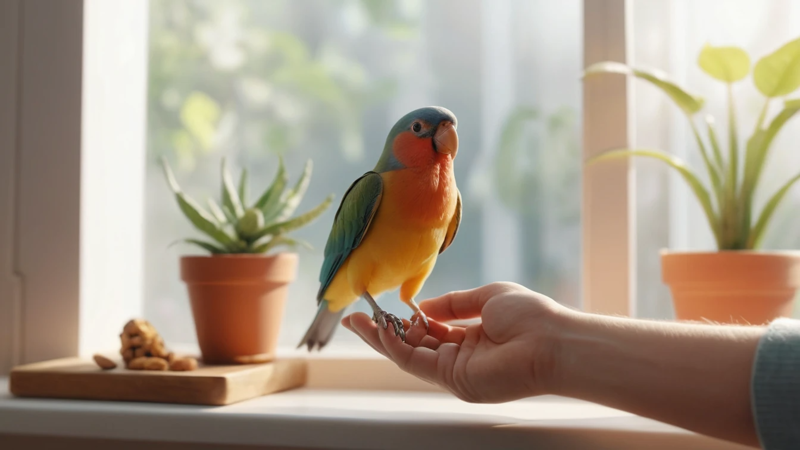
This makes a huge difference in behavior. Untamed birds may bite or fear hands. Hand tame birds usually step up calmly. They enjoy head scratches and shoulder time.
But here’s something important. Even a hand tame bird needs regular interaction. Without attention, they can become distant. Think of it like friendship. You must keep showing up.
Why Hand Tame Birds Are Perfect For Beginners 💛
Starting with a tame bird removes many beginner struggles. You won’t have to spend months building trust from scratch. The bond forms faster.
These birds are easier to train. They respond to treats and gentle repetition. Teaching them to step up or talk becomes fun instead of stressful.
Here’s why they are beginner-friendly:
- Easier to handle
- Less likely to bite
- Quick bonding
- Faster training
- More interactive
If you want a positive first bird experience, tame birds are the way to go.
Best Small Hand Tame Birds For Beginners 🐣
Small birds are often the easiest to manage. They need less space and food. They are also budget-friendly.
Here’s a quick comparison to help you decide:
| Bird Type | Size | Talking Ability | Noise Level | Lifespan |
| Budgie | Small | Good | Low | 7–10 Years |
| Cockatiel | Medium-Small | Moderate | Medium | 15–20 Years |
| Lovebird | Small | Low | Medium | 10–15 Years |
| Green Cheek Conure | Small | Moderate | Medium-High | 20–30 Years |
Each bird has a unique personality. Let’s break them down further.
Budgies: Tiny, Friendly, And Smart 🦜
Budgies, also called parakeets, are one of the best pet birds for beginners. They are small but full of personality.
They are easy to care for and affordable. Budgies can even learn words. Some become impressive talkers with practice.
They love toys and mirrors. They enjoy social time. If handled daily, they stay friendly and sweet. For apartments or small homes, budgies are perfect.
Cockatiels: Gentle And Loving Companions 🤍
Cockatiels are calm and affectionate birds. They are known for their cute head crest and soft whistles.
They bond deeply with their owners. Many love sitting on shoulders. They enjoy gentle head scratches.
Cockatiels are slightly larger than budgies. They need a bit more space. But they are still ideal for beginners who want a cuddly bird.
Lovebirds: Small Birds With Big Personalities 💚
Don’t let the size fool you. Lovebirds are bold and energetic.
They form strong bonds with one person. They enjoy attention and playtime. With regular handling, they become very tame.
However, they can be a little feisty. Beginners must stay consistent with training. If you want a playful and active bird, lovebirds are a fun choice.
Green Cheek Conures: Playful And Social 😄
Green cheek conures are known for their clown-like behavior. They love interaction and games.
They are more expressive than budgies. They may hang upside down or show off tricks. Their personalities are big.
They can be slightly louder. But they are less noisy than larger parrots. For beginners ready for a lively companion, they are a great option.
Birds To Avoid As A Beginner 🚫
Not all birds are beginner-friendly. Some require expert care and patience.
Here are birds that may be too challenging:
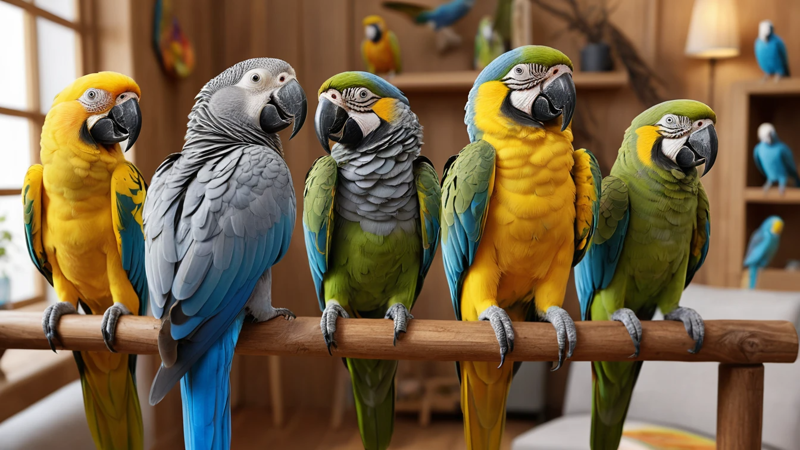
- Macaws
- African Greys
- Large Cockatoos
- Amazon Parrots
These birds are intelligent but demanding. They need strong training skills and lots of space. For your first bird, start small and manageable.
How To Choose The Right Bird For You 🎯
Choosing a bird is like choosing a roommate. Personality matters.
Ask yourself:
- How much time do I have daily?
- Do I live in an apartment?
- Am I okay with noise?
- How long can I commit?
Some birds live over 20 years. That’s a long friendship. Make sure your lifestyle matches your bird’s needs.
Essential Cage Setup For Hand Tame Birds 🏠
A proper cage keeps your bird happy and safe. Size matters more than decoration.
Here’s what every beginner cage should include:
| Item | Why It Matters |
| Wide Cage | Allows wing stretching |
| Natural Perches | Protects feet health |
| Food & Water Bowls | Easy access |
| Toys | Prevents boredom |
| Cover | Helps with sleep |
Place the cage in a bright, social area. Birds love being near family activity.
Daily Care Routine Made Simple 🗓️
Bird care does not need to feel overwhelming. Keep it simple and consistent.
Daily routine basics:
- Fresh food and water
- 30–60 minutes of interaction
- Clean food bowls
- Spot clean cage
Weekly tasks include deeper cage cleaning. Healthy birds are active, alert, and curious. If they look fluffed up all day, consult a vet.
What Do Hand Tame Birds Eat? 🥗
Diet affects mood and health. Many beginners make the mistake of feeding only seeds.
A balanced diet includes:
- Pellets
- Fresh vegetables
- Some fruits
- Limited seeds
Leafy greens are excellent. Avoid chocolate, avocado, and caffeine. Clean water must always be available.
Training Tips For First-Time Owners 🎓
Training builds trust. Start with simple commands like “step up.”
Use positive reinforcement. Offer small treats as rewards. Keep sessions short and fun.
Never yell or punish. Birds remember fear. Gentle consistency works best. Within weeks, you’ll see progress.
Common Beginner Mistakes To Avoid ⚠️
Even loving owners make mistakes. The key is learning early.
Avoid these common errors:
- Ignoring daily interaction
- Buying too small a cage
- Feeding seed-only diets
- Skipping vet visits
- Forcing handling
Remember, patience creates trust.
How Much Do Hand Tame Birds Cost? 💵
Costs vary depending on the species and location.
Here’s a general breakdown:
| Expense | Estimated Cost |
| Bird Purchase | $30–$500 |
| Cage | $70–$250 |
| Toys & Supplies | $50–$100 |
| Monthly Food | $15–$30 |
| Vet Visits | $50–$200 |
Bird ownership is affordable compared to dogs or cats. But long-term care still requires planning.
Creating A Strong Bond With Your Bird ❤️
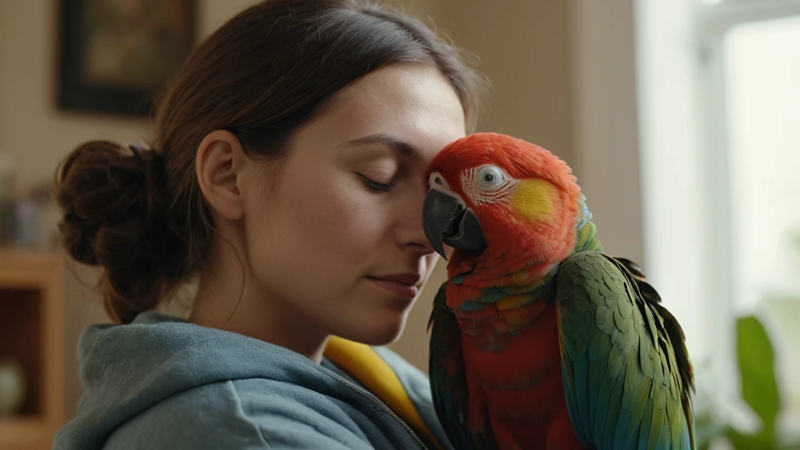
Bonding takes time. Sit near the cage and talk softly. Offer treats through your fingers.
Consistency builds trust. Birds love routine. They feel safe when life is predictable.
“Your bird does not need perfection. It needs patience.” 🐦
The more you interact, the stronger the connection grows.
Signs Your Bird Is Happy And Healthy 😊
A happy bird shows clear signals. Look for:
- Bright eyes
- Smooth feathers
- Playful behavior
- Singing or chirping
- Healthy appetite
If your bird grinds its beak softly, that’s relaxation. It’s like a cat purring.
Conclusion: Start Small, Stay Consistent, Enjoy The Journey 🌟
Hand tame birds for beginners make pet ownership easier and more joyful. Budgies, cockatiels, lovebirds, and green cheek conures are excellent first choices. They are friendly, manageable, and rewarding.
Choose a bird that fits your lifestyle. Provide proper care and daily interaction. With patience and love, your feathered friend will become a lifelong companion.
Bird ownership is not just a hobby. It’s a relationship. And it starts with the right choice.
FAQs
What Is The Easiest Hand Tame Bird For Beginners?
Budgies are often the easiest choice. They are small and affordable. They bond quickly with daily handling.
Are Hand Fed Parakeets Good For First-Time Owners?
Yes, hand fed parakeets adapt well to people. They are gentle and easy to train. Daily interaction keeps them friendly.
How Long Do Beginner Pet Birds Live?
Small birds live 7 to 20 years. Larger small parrots can live longer. Always plan for long-term commitment.
Do Hand Tame Birds Bite Beginners?
They rarely bite without reason. Fear or stress can cause nipping. Gentle handling prevents most issues.
Can Apartment Owners Keep Friendly Pet Birds?
Yes, many small birds suit apartments. Budgies and cockatiels are great choices. Just manage noise and provide daily playtime.
Leave a Reply