


If you’ve noticed a recent change in your cat’s behaviour, then you might be looking to answer the question: why is my cat meowing so much?
All cats meow for a variety of different reasons including communicating with other cats, as part of mating rituals and requests for attention or food from their owners. If you notice a change in the frequency or sound of your cat’s vocalisations, then it may require further investigation.
Why Do Cats Meow?
If your male or female cat keeps meowing, what could be the reasons behind this behaviour? Cats universally meow as a way of communicating with other cats and their owners. Persistent meowing could signal requests to meet physical needs in their immediate environment.
Requests for Attention
Cats are very sociable animals with different personalities, much like humans and can get lonely if left alone for long periods of time. If your cat is an indoor cat, they may become bored in the house if they are always in the same environment or not around other cats. Excessive meowing could simply be a request for play or a more stimulating environment.
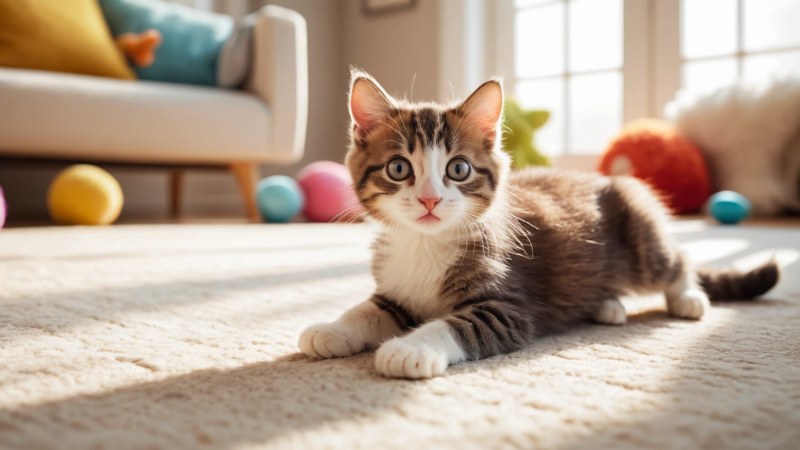
Look at your cat’s environment; do they have toys and everything they need to keep them mentally stimulated?
Hunger or Thirst
If your cat meows all the time it could be a request for food or water. It’s important to keep your cat’s water bowl filled with fresh water, especially in the summer months when cats can easily become dehydrated. Hungry cats can also become very persistent, it’s important to make sure they have a regular feeding schedule so they know when it’s time to eat.
If you’re still wondering, why is my cat meowing so much? It’s worth considering if there could be something medically wrong. Keep a close eye on how much water your cat is consuming, there are some medical conditions that could cause your cat to become excessively thirsty, such as kidney disease, hyperthyroidism or diabetes. If you think your cat is consuming excessive amounts of water, then it is worth a trip to the vet.
If your cat is eating more than the recommended daily amount of food and keeps coming back for more, it could be a sign they are bored and want a more interesting environment. It could also be a sign of other health problems such as hyperthyroidism or worms. If your cat is eating excessively then it is important to get veterinary advice.
Mating Habits
Both male and female cats that have not been spayed or neutered will meow or yowl as part of mating rituals. This excessive vocalisation is driven by hormonal changes and used as a way to attract a mate and signal fertility and availability.
Cleanliness
Cats like a clean environment and can be deterred by dirty litter boxes or dirty food and water bowls that have an unusual smell. Cats have a very strong sense of smell, 14 times stronger than that of humans. As a result, odours in their environment have a big impact on them.
A Sign of Stress
If your cat is constantly meowing it could be a sign of stress. Cats can become anxious when things change in their environment; such as a house move, new people staying at the house, new pets, being separated from owners, unusual smells or loud noises. If your cat seems stressed, it’s worth checking whether anything has changed in your environment recently that could be causing the issue.
Why Is My Cat Meowing So Much? Could My Cat Be Meowing Due to Pain?
Excessive vocalisations could be a sign that your cat is in pain, watch for changes in the tone of their vocalisations. Cats that are in pain may emit a strong yelp as if they have a sharp pain or could hiss a lot more than usual.
If you suspect your cat is in pain, look for changes in mood and behaviour. They may be less sociable than normal and withdrawn, they may be grumpy and become aggressive more easily, they may not like being handled or picked up. There could also be changes to their balance or walking gait which could signal a physical issue. Cats can also go off their food when they are feeling unwell, so look for signs of reduced appetite.
What Health Issues Cause Meowing?
The answer to the question, why is my cat meowing so much? Could be the result of an undiagnosed health issue. Medical issues that could cause excessive meowing in cats include:
- Pain
- Hyperthyroidism (overactive thyroid)
- Kidney issues
- High blood pressure
- Hearing loss or visual impairment
- Feline dementia
Please consult your vet if you suspect your cat has an underlying medical condition.
What Are the Early Signs of Feline Dementia?
Feline dementia occurs in older cats, typically from the ages of 11 onwards and has some similarities to dementia that can occur in people. The first thing to note is any change in your cat’s behaviour, this condition can cause cats to vocalise excessively, especially at night. Some other common signs and symptoms include:
- Becoming lost or disorientated
- Not remembering to eat or drink
- Losing food or water bowls
- Toileting difficulties
- Being awake or more active at night
- Vacantly staring into space
What Should I Do if My Cat Is Meowing Excessively?
If you’re still thinking, why is my cat meowing so much? It’s important not to punish your cat for the behaviour. First look at environmental causes and triggers of the vocalisations. If there isn’t an environmental or emotional cause, then seek advice from a qualified veterinary professional.
A veterinarian will do a differential diagnosis to rule out which issues could be causing the excessive vocalisations and devise a treatment plan. If the vet finds health issues with your cat, you may find that once these have been addressed the meowing stops.
If your cat’s meowing is not the result of a health issue, then a professional feline animal behaviourist could help. They will look at the environment and the causes of your cat’s behaviour and be able to suggest ways in which the behaviour could be resolved.
Are you looking for high-quality, engaging content for your pet blog? Visit Pet Writer to learn more about our consultation and content writing services for pet brands.


Leave a Reply