


Hypoallergenic cats for sensitive owners who want fewer allergy symptoms. Discover low-shedding breeds and smart tips for happy living.
Hypoallergenic cats for sensitive owners are breeds that produce fewer allergens, shed less fur, and may trigger milder allergy symptoms. While no cat is 100% allergy-free, certain breeds are known to be more manageable for people with pet sensitivities.
Have you always dreamed of owning a cat, but your sneezing says “no way”? You’re not alone. Many people think allergies mean giving up on furry friends forever. The good news? That’s not always true. With the right breed and smart home habits, you can still enjoy cat cuddles without constant sniffles.
Let’s explore the best cat breeds for allergies and how to make life easier for sensitive owners.
What Does Hypoallergenic Really Mean? 🤔
The word hypoallergenic can be confusing. It does not mean “allergy-free.” Instead, it means the cat is less likely to trigger allergies compared to others. That’s an important difference.
Most cat allergies come from a protein called Fel D1. This protein is found in saliva, skin, and dander. When cats groom themselves, the protein spreads onto their fur. As fur and dander float in the air, sensitive owners react. So, lower shedding and lower protein levels help reduce symptoms.
Why Do Some Cats Trigger Fewer Allergies? 🧬
Some breeds naturally produce less Fel D1 protein. Others shed very little fur. Fewer loose hairs mean fewer allergens in the air. That can make a big difference in your daily comfort.
Also, certain cats have unique coat types. Some have curly fur that traps dander. Others have no fur at all. While hairless cats still produce allergens, their lack of shedding can help control spread. The key is understanding both biology and grooming habits.
Best Hypoallergenic Cat Breeds To Consider 🐱
Here are some of the most popular low-allergen cat breeds. Each one offers something special for sensitive owners.
- Siberian
- Balinese
- Bengal
- Russian Blue
- Sphynx
- Devon Rex
- Cornish Rex
- Oriental Shorthair
Let’s look closer at what makes them stand out.
Siberian Cats: Gentle Giants With Lower Allergens 🐾
Siberian cats surprise many allergy sufferers. Despite their thick coats, they often produce lower Fel D1 levels. That means fewer reactions for some owners.
They are playful and loving. They bond closely with families and enjoy attention. Regular brushing helps manage shedding. If you want a fluffy cat without heavy allergy symptoms, this breed is worth considering.
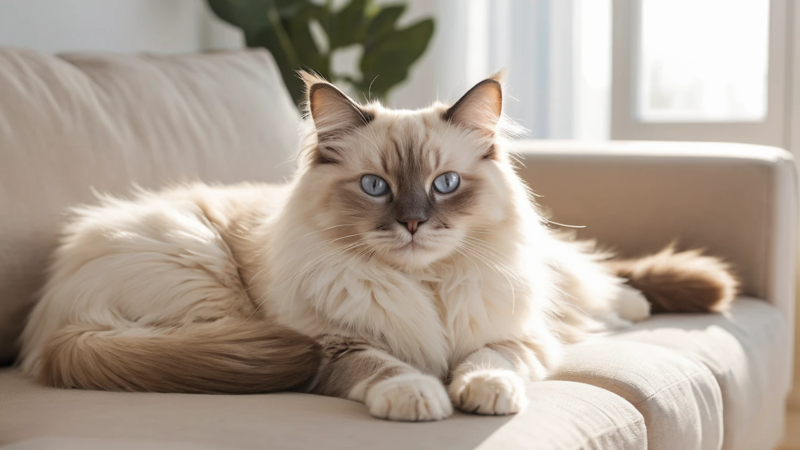
Balinese Cats: The “Long-Haired Siamese” ✨
Balinese cats are known for elegance and intelligence. They have silky fur but shed less than expected. More importantly, they tend to produce lower allergen levels.
These cats are talkative and social. They love interaction and mental stimulation. If you enjoy an active and affectionate pet, Balinese cats could be a good fit. Just remember to maintain a consistent grooming routine.
Bengal Cats: Exotic Looks, Lower Shedding 🌿
Bengal cats look like tiny leopards. Their short, dense coat requires minimal grooming. Because they shed less, allergens spread less easily.
They are energetic and playful. Bengals need space and stimulation. Puzzle toys and climbing trees are helpful. If you want a bold and lively companion, this breed may suit you well.
Russian Blue Cats: Quiet And Clean 💙
Russian Blue cats are famous for their plush silver-blue coat. They shed less and may produce fewer allergens than many breeds. That makes them popular among sensitive owners.
They are calm and gentle. Russian Blues form strong bonds with their people. They also groom themselves carefully. This helps keep loose fur under control.
| Breed | Shedding Level | Allergen Level | Personality |
| Siberian | Moderate | Lower | Playful |
| Balinese | Low | Lower | Social |
| Bengal | Low | Moderate | Energetic |
| Russian Blue | Low | Lower | Calm |
Sphynx Cats: Hairless But Not Allergen-Free 🧼
Sphynx cats have almost no fur. That means less shedding around your home. However, they still produce allergen proteins.
Because they lack fur, oils build up on their skin. They need weekly baths. Regular cleaning reduces allergen spread. If you don’t mind grooming work, Sphynx cats can be a smart option.
Devon Rex And Cornish Rex: Curly-Coated Cuties 🌀
These two breeds have soft, wavy fur. They shed far less than typical cats. That helps keep dander levels lower.
Devon Rex cats are playful and mischievous. Cornish Rex cats are active and athletic. Both breeds love human company. If you enjoy interactive pets, they may fit your lifestyle.
| Breed | Grooming Needs | Energy Level | Good For Small Homes |
| Devon Rex | Low | High | Yes |
| Cornish Rex | Low | High | Yes |
| Sphynx | High | Medium | Yes |
| Bengal | Moderate | High | Needs Space |
Oriental Shorthair: Sleek And Stylish 😺
Oriental Shorthairs have short, fine coats. They shed less and produce moderate allergen levels. Many allergy sufferers find them manageable.
They are highly vocal and intelligent. They crave attention and companionship. If you want a social and expressive pet, this breed delivers personality in a slim package.
How To Test If You’re Allergic To A Specific Breed 🧪
Before adopting, spend time with the breed. Visit breeders or shelters. Stay in the environment for at least an hour. Notice how your body reacts.
You can also request a fur sample. Some breeders provide this for testing. Always consult your doctor if symptoms are severe. Smart testing prevents regret later.
Smart Home Tips For Allergy Management 🏠
Choosing the right cat is only part of the solution. Your home setup matters just as much.
Try these simple steps:
- Use HEPA air purifiers.
- Vacuum carpets weekly.
- Wash bedding often.
- Keep cats out of bedrooms.
- Groom your cat regularly.
Consistency makes a big difference. Clean air equals fewer symptoms.
Grooming Habits That Reduce Allergens 🧴
Regular grooming helps control loose fur and dander. Brush your cat two to three times per week. For hairless breeds, schedule weekly baths.
Use damp cloths to wipe fur gently. This traps dander before it spreads. Always wash your hands after handling your cat. Small habits add up over time.
| Grooming Task | Frequency | Benefit |
| Brushing | 2–3 Times Weekly | Reduces Loose Fur |
| Bathing (Hairless) | Weekly | Controls Skin Oils |
| Washing Bedding | Weekly | Removes Allergens |
| Air Filter Cleaning | Monthly | Improves Air Quality |
Are Mixed Breeds Hypoallergenic? 🐾
Mixed-breed cats can sometimes show low-allergen traits. However, there is no guarantee. Their genetics are unpredictable.
If allergies are severe, stick to known low-allergen breeds. Still, some mixed cats surprise owners with mild reactions. Testing before adoption is key.
Common Myths About Allergy-Friendly Cats 🚫
Many people believe short-haired cats cause fewer allergies. That’s not always true. Allergies come from proteins, not fur length.
Another myth says female cats are safer. While males may produce more allergens, differences vary. Always test individually. Every person’s immune system reacts differently.
Are Hypoallergenic Cats Good For Families? 👨👩👧👦
Yes, many are excellent family pets. Siberians and Balinese cats are friendly and playful. Russian Blues are gentle with kids.
However, energy levels differ. Bengals need active homes. Devon Rex cats love attention. Match the breed to your family lifestyle for the best experience.
Cost Of Owning A Hypoallergenic Cat 💰
Some breeds are more expensive. Rare breeds like Sphynx and Bengal often cost more upfront. Grooming supplies and air filters add to expenses.
But the joy of comfortable pet ownership is priceless. Budget for:
- Adoption or breeder fees
- Grooming tools
- Quality food
- Vet visits
- Cleaning supplies
Planning ahead prevents surprises.
Final Thoughts On Choosing The Right Cat ❤️
Living with allergies does not mean giving up your dream of cat ownership. Hypoallergenic cats for sensitive owners offer real hope. While no breed is completely allergy-free, many produce fewer allergens and shed less fur.
The key is smart selection and consistent home care. Test before adopting. Keep your space clean. Groom regularly. With the right approach, you can enjoy purrs without constant sneezes.
“A little planning today can lead to years of happy, sniffle-free cuddles tomorrow.” 🐾
FAQs
What Is The Best Hypoallergenic Cat For Severe Allergies?
Siberian and Balinese cats are often recommended. They may produce lower allergen levels. Always test before adoption.
Are Hairless Cats Better For Allergies?
Hairless cats shed less fur. However, they still produce allergens. Regular bathing helps reduce reactions.
Can I Live With Cats If I Have Mild Allergies?
Yes, many people manage mild allergies successfully. Choose low-shedding breeds. Maintain strong cleaning routines.
Do Female Cats Produce Fewer Allergens?
Some studies suggest males produce more allergens. Differences are not extreme. Individual reactions vary greatly.
How Do I Reduce Cat Allergens Naturally At Home?
Use air purifiers and vacuum often. Wash fabrics weekly. Groom your cat consistently to control dander.


Leave a Reply