


Small dogs that are easy to train make perfect family pets. Discover smart, obedient, and beginner-friendly small breeds today.
Small dogs that are easy to train are intelligent, eager to please, and quick to learn commands. Breeds like Poodles, Papillons, and Miniature Schnauzers respond well to positive reinforcement and consistent routines. They’re ideal for families, apartment dwellers, and first-time dog owners who want a smart, manageable companion.
Have you ever wondered if a small dog can be just as smart and obedient as a big one? Many people think tiny pups are stubborn or yappy. But that’s not always true. In fact, several small breeds are incredibly quick learners. With the right training, they can be calm, loyal, and amazingly well-behaved.
If you want a small, easy-to-train dog, you’re in the right place. Let’s explore the best options and why they shine.
Why Choose A Small Dog That Is Easy To Train? 🐾
Small dogs fit perfectly into modern life. They do well in apartments and small homes. They need less space to run. And they often cost less to feed and groom.
But the real win? Easy training saves time and stress. A dog that learns fast makes daily life smoother. You spend less time correcting behavior and more time enjoying cuddles. That’s a big deal for busy families.
Training also builds trust. When your dog understands commands, you feel confident taking them anywhere. Parks, trips, or family gatherings become stress-free.
What Makes A Small Dog Easy To Train? 🧠
Not all small dogs are equally trainable. Some are more independent. Others love learning new tricks. The difference often comes down to personality and intelligence.
Easy-to-train small breeds usually share these traits:
- High intelligence
- Strong desire to please
- Good focus and attention span
- Food or praise motivation
- Low stubbornness
Consistency matters too. Even the smartest dog needs structure. Use short sessions and positive rewards. Avoid harsh punishment. Think of training like a game, not a chore.
Toy And Miniature Poodle 🎀
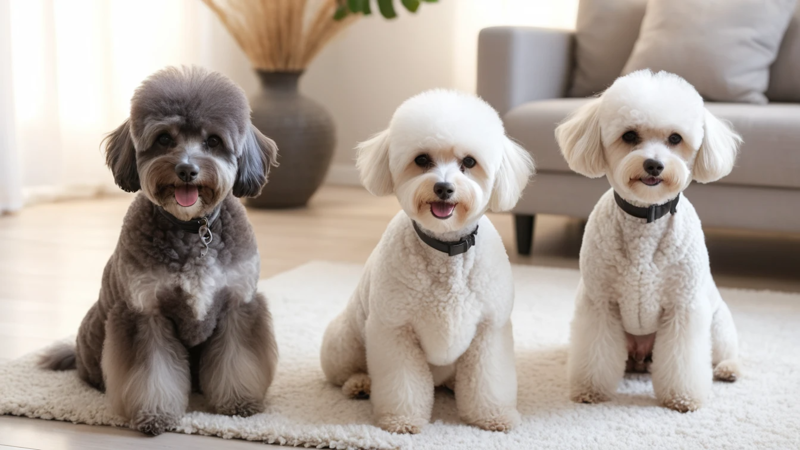
The Poodle is one of the smartest dog breeds in the world. Toy and Miniature Poodles are tiny but brilliant. They learn commands quickly and love mental challenges.
These dogs thrive on structure. They enjoy obedience training and even agility sports. Because they aim to please, they respond well to praise and treats.
They are also hypoallergenic. That makes them perfect for families with mild allergies. With proper socialization, they become calm and loving companions.
Papillon 🦋
The Papillon may look delicate, but don’t be fooled. This breed is sharp and alert. Their name means “butterfly” in French, inspired by their ears.
Papillons excel in obedience training. They love learning tricks and performing. Their energy makes them fun partners for active owners.
They do best with regular mental stimulation. Without it, boredom can sneak in. Keep sessions short and playful, and they’ll amaze you.
Miniature Schnauzer 🧔
The Miniature Schnauzer is loyal and smart. They bond closely with their families. Because they enjoy pleasing their owners, training becomes easier.
This breed learns house rules fast. They are also protective but not aggressive. Early socialization helps them stay friendly with strangers.
Miniature Schnauzers respond well to clear leadership. Be calm and confident. They respect structure and consistency.
Cavalier King Charles Spaniel ❤️
The Cavalier King Charles Spaniel is gentle and affectionate. They are eager to make their owners happy. That’s a huge plus during training.
They respond best to soft voices and gentle guidance. Harsh corrections can make them anxious. Positive reinforcement works wonders.
Because they crave attention, they focus well during sessions. Training feels more like bonding time than work.
Shetland Sheepdog 🐑
The Shetland Sheepdog, often called “Sheltie,” is highly intelligent. Though slightly larger than toy breeds, they still fit small dog categories.
Shelties learn commands quickly. They excel in obedience competitions. Their herding background makes them responsive and alert.
However, they need mental stimulation. Think puzzle toys and advanced tricks. Keep their minds busy, and they’ll stay happy.
Boston Terrier 🐶
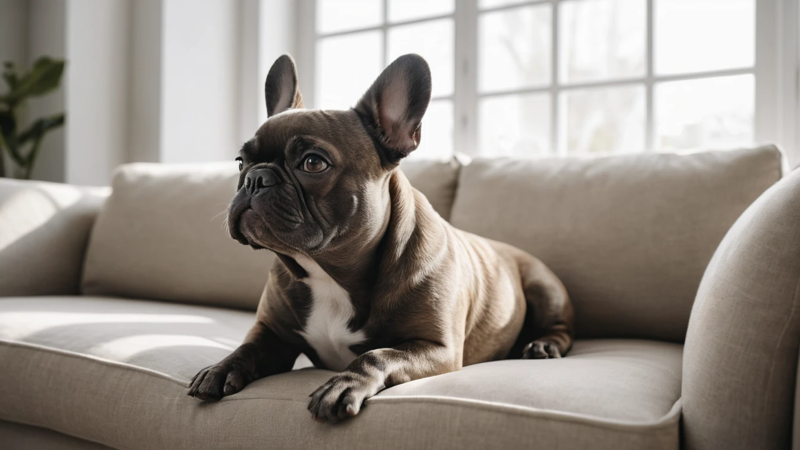
The Boston Terrier is playful and bright. They are friendly and love human interaction.
Boston Terriers respond well to consistent routines. They pick up basic commands quickly. House training may take patience, but they eventually get it.
They are also great for families with kids. Their cheerful personality makes training sessions feel fun.
Quick Comparison Of Top Picks
| Breed | Intelligence Level | Energy Level | Best For |
| Poodle | Very High | Moderate | Families, Apartments |
| Papillon | Very High | High | Active Owners |
| Miniature Schnauzer | High | Moderate | Families |
| Cavalier King Charles | Moderate-High | Moderate | First-Time Owners |
| Shetland Sheepdog | Very High | High | Active Homes |
| Boston Terrier | Moderate | Moderate | Families With Kids |
How To Train Small Dogs Effectively 🦴
Training small dogs is not very different from training large ones. The basics remain the same. Consistency and patience are key.
Follow these simple steps:
- Use short 10-minute sessions.
- Reward good behavior immediately.
- Avoid yelling or punishment.
- Stay consistent with commands.
- Practice daily.
Small dogs can have short attention spans. Keep sessions lively. Add variety to prevent boredom.
Common Mistakes To Avoid 🚫
Many owners accidentally spoil small dogs. Because they are tiny, bad behavior seems cute. But ignoring issues creates bigger problems later.
Avoid these mistakes:
- Carrying them everywhere
- Ignoring barking problems
- Inconsistent rules
- Skipping socialization
Treat them like real dogs, not toys. Structure builds confidence.
Are Small Dogs Good For First-Time Owners? 🏡
Yes, many are perfect for beginners. Especially breeds like Poodles and Cavaliers. Their eagerness to please makes training smoother.
First-time owners should focus on patience. Puppies need time. Mistakes will happen. That’s normal.
Start with basic commands like sit, stay, and come. Once those are solid, move forward.
Apartment Living And Small Trainable Dogs 🏢
Small dogs adapt well to apartment life. But training remains essential. Without guidance, even tiny dogs can become noisy.
Choose breeds with moderate energy levels. Provide daily walks. Mental stimulation matters just as much as physical exercise.
A trained dog equals peaceful neighbors. That’s priceless in shared living spaces.
Grooming And Maintenance Overview
| Breed | Grooming Needs | Shedding Level |
| Poodle | High | Low |
| Papillon | Moderate | Moderate |
| Miniature Schnauzer | Moderate | Low |
| Cavalier | Moderate | Moderate |
| Sheltie | High | High |
| Boston Terrier | Low | Low |
Mental Stimulation Tips For Smart Small Dogs 🧩
Smart breeds need brain workouts. Otherwise, boredom leads to chewing or barking.
Try these ideas:
- Puzzle feeders
- Hide-and-seek games
- Trick training
- Interactive toys
Think of their brain like a muscle. The more you use it, the stronger it gets.
Socialization Matters Early 🐕
Early exposure prevents fear-based behaviors. Introduce your dog to people, sounds, and environments.
Start slow. Keep experiences positive. Reward calm reactions.
A well-socialized dog is easier to train long-term.
Best Small Dogs For Families With Kids 👨👩👧
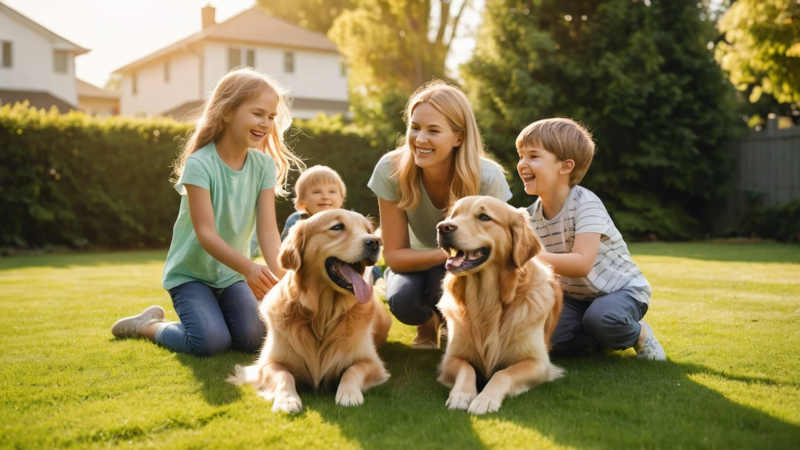
Families need patient and friendly breeds. Cavaliers and Boston Terriers stand out. Miniature Schnauzers also do well with respectful children.
Teach kids how to handle small dogs gently. Respect goes both ways.
When both sides learn boundaries, harmony follows.
Training Timeline Expectations
| Age | Focus Area |
| 8–12 Weeks | House Training, Basic Commands |
| 3–6 Months | Socialization, Leash Training |
| 6–12 Months | Advanced Commands, Behavior Control |
Do Small Dogs Bark More? 🔔
Some small breeds bark frequently. Often it’s due to boredom or lack of training.
Early command training like “quiet” helps. Mental exercise reduces unnecessary barking.
A tired dog is a calm dog.
How Long Does Training Take? ⏳
Basic obedience may take 4–6 weeks. Consistency speeds things up. Daily practice matters more than long sessions.
Every dog learns at a different pace. Be patient. Celebrate small wins.
Remember, training never truly stops. It evolves as your dog grows.
Conclusion
Small dogs that are easy to train make wonderful companions. Breeds like Poodles, Papillons, and Miniature Schnauzers combine intelligence with loyalty. They fit well in apartments and busy homes. With patience and positive reinforcement, they become obedient and loving family members.
Training builds trust. It creates structure. And it strengthens your bond. Choose wisely, stay consistent, and enjoy the journey with your smart little friend.
FAQs
Which small dog is easiest to train for beginners?
Toy or Miniature Poodles are often the easiest. They are highly intelligent and eager to please. With consistency, they learn quickly.
Are small dogs harder to potty train?
Some can be slightly harder due to small bladders. However, consistent routines solve this issue. Frequent breaks help speed up progress.
What small dog learns tricks the fastest?
Papillons learn tricks very fast. They enjoy mental challenges and performing. Short, fun sessions work best.
Do small dogs need professional training classes?
Not always, but classes help beginners. They provide structure and socialization. Many owners succeed with home training.
Are easy-to-train small dogs good for apartments?
Yes, especially moderate-energy breeds. With daily walks and mental stimulation, they thrive indoors. Proper training keeps noise under control.

Leave a Reply