

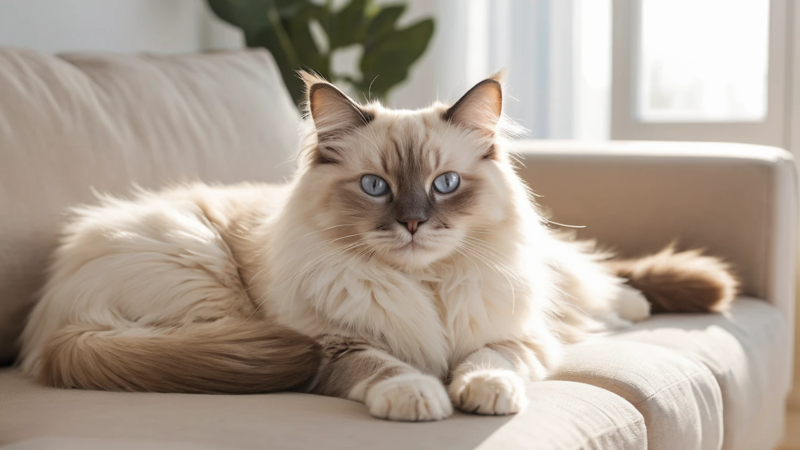
Cats that don’t scratch furniture much are calmer and easier to manage. Discover low-scratch breeds, tips, and training ideas.
Cats that don’t scratch furniture much are usually calm, well-trained, and less destructive. While all cats scratch naturally, some breeds and behaviors make them far gentler on your home. Choosing the right cat and training early can protect your furniture and your sanity.
Cats That Don’t Scratch Furniture Much 😺
Ever wondered if you can have a cat without sacrificing your sofa? You’re not alone. Many cat lovers want a cuddly companion without shredded couches.
Here’s the truth: no cat is 100% scratch-free, but some cats scratch far less. With the right breed and habits, your furniture can stay safe.
Why Do Cats Scratch Furniture? 🛋️
Scratching is not bad behavior. It is natural and necessary for cats. They scratch to keep their claws healthy and sharp.
Cats also scratch to mark territory. Their paws release scent signals. This helps them feel safe in their space.
Another reason is stretching. Scratching allows cats to stretch their muscles. It keeps them active and relaxed at the same time.
Can You Really Find Low-Scratch Cats? 🤔
Yes, but with a small twist. It’s not just about breed. It’s also about personality and training.
Some cats are naturally calm. Others are playful and energetic. Calm cats usually scratch less furniture.
If you combine a gentle breed with proper training, you can reduce scratching a lot. That’s the real secret.
Top Cat Breeds That Scratch Less 🐾
Some breeds are known for being relaxed. They don’t have the same urge to scratch aggressively.
Here are a few popular low-scratch breeds:
- Ragdoll – Very calm and affectionate
- British Shorthair – Quiet and independent
- Persian – Lazy and gentle
- Scottish Fold – Sweet and low-energy
- Birman – Friendly but not destructive
These cats prefer lounging over climbing and scratching.
Comparing Low-Scratch Cat Breeds
| Breed | Energy Level | Scratching Habit | Personality |
| Ragdoll | Low | Very Low | Relaxed, cuddly |
| British Shorthair | Low | Low | Calm, quiet |
| Persian | Very Low | Very Low | Gentle, lazy |
| Scottish Fold | Medium | Low | Sweet, playful |
| Birman | Medium | Low | Friendly, calm |
This table helps you pick a cat that fits your lifestyle.
Personality Matters More Than Breed 💡
Breed helps, but personality is key. Even within one breed, behavior can vary.
Some cats are naturally chill. Others are curious and active. Active cats explore more and scratch more.
When adopting, spend time with the cat. Look for relaxed body language. A calm cat is less likely to damage furniture.
Indoor Cats Vs Outdoor Cats 🏡
Indoor cats depend on furniture more. They don’t have trees or rough surfaces.
This can increase scratching if they feel bored. But it can also be controlled easily.
Outdoor cats scratch outside more often. They use trees and ground surfaces. This reduces indoor damage.
Training Your Cat Early 🐱
Training is powerful. Start when your cat is young.
Show them where to scratch. Use a scratching post. Encourage them gently.
Reward good behavior. Use treats or praise. Cats learn faster with positive reinforcement.
Best Scratching Alternatives 🧵
Giving alternatives is essential. Cats need something to scratch.
Here are great options:
- Scratching posts
- Cardboard scratchers
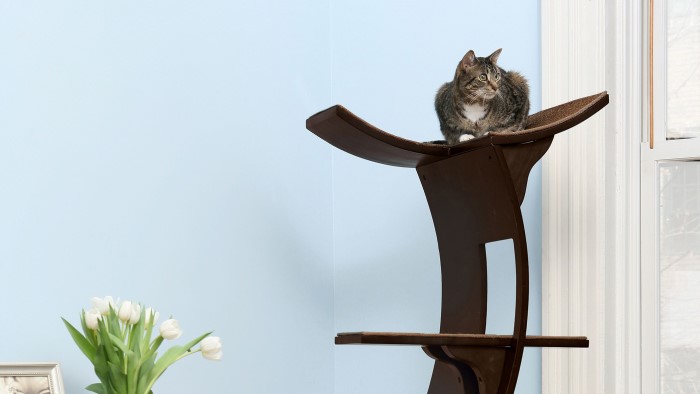
- Cat trees
- Sisal mats
Place them near furniture. This redirects their habit easily.
Placement Of Scratching Posts Matters 📍
Location is everything. Cats scratch where they spend time.
Place posts near sleeping areas. Also near sofas or chairs they like.
Try multiple spots. This increases success. The more options, the better.
How To Protect Your Furniture 🛡️
You don’t have to live in fear of scratches. There are smart ways to protect furniture.
- Use furniture covers
- Apply anti-scratch tape
- Keep nails trimmed
- Use cat deterrent sprays
These small steps make a big difference.
Nail Care Is A Game Changer ✂️
Regular nail trimming reduces damage. It doesn’t stop scratching but limits harm.
Trim every 2–3 weeks. Use proper cat nail clippers.
If unsure, ask a vet or groomer. It’s quick and safe when done right.
Declawing Is Not The Answer ❌
Declawing might seem like a solution. But it is harmful and painful.
It removes part of the cat’s toes. This affects walking and behavior.
Many experts discourage it. Instead, focus on training and alternatives.
Signs Your Cat Might Scratch More ⚠️
Watch for these signs:
- High energy levels
- Boredom or stress
- Lack of toys
- No scratching posts
These increase scratching behavior. Fixing these reduces damage quickly.
Creating A Calm Environment 🧘♂️
A calm home reduces destructive habits. Cats feel safe and relaxed.
Provide cozy spots. Keep noise low. Give attention regularly.
Happy cats scratch less. It’s that simple.
Daily Habits That Reduce Scratching 📅
Small habits can make a huge impact.
- Play with your cat daily
- Offer scratching alternatives
- Trim nails regularly
- Reward good behavior
Consistency is key. Cats thrive on routine.
Common Mistakes To Avoid 🚫
Avoid these common errors:
- Punishing your cat harshly
- Ignoring scratching behavior
- Not providing alternatives
- Using only one scratching post
These mistakes make things worse.
Cost And Maintenance Of Low-Scratch Cats 💰
| Factor | Low Maintenance Cats | High Maintenance Cats |
| Grooming | Minimal | Frequent |
| Training | Easy | Moderate |
| Damage Risk | Low | High |
| Toys Needed | Moderate | High |
Choosing the right cat saves money and effort over time.
Are Low-Scratch Cats Good For Families? 👨👩👧
Yes, they are perfect for families. They are gentle and less destructive.
They also adjust well to kids and busy homes. This makes them ideal pets.
If you want a peaceful pet, these cats are a great choice.
Final Thoughts 🐾
Living with a cat doesn’t mean destroyed furniture. You just need the right approach.
Choose a calm breed. Train early. Provide scratching alternatives. Maintain regular care.
The result? A happy cat and a scratch-free home.
FAQs
What cats scratch furniture the least?
Ragdolls and Persians are known for scratching less. They are calm and low-energy. Their relaxed nature reduces destructive habits.
How do I stop my cat scratching my couch?
Provide scratching posts and place them near the couch. Use covers or tape on furniture. Reward your cat for using the right spot.
Are indoor cats more destructive?
Indoor cats can scratch more due to boredom. But proper toys and training reduce this. A stimulated cat behaves better.
Do calm cats scratch less furniture?
Yes, calm cats usually scratch less. They prefer resting over active play. This naturally lowers damage.
Is scratching bad behavior in cats?
No, scratching is natural for cats. It helps with claws and stress. You just need to redirect it properly.



Leave a Reply